I started Yellowface on a quiet evening and didn’t really stop thinking about it until long after I’d finished. It’s the kind of book that stays with you, not because it’s heavy or difficult, but because it quietly asks you questions you weren’t expecting.
The book follows June, a struggling writer who makes a choice early on that sets everything else in motion. Without giving too much away, what follows is a story about how far someone will go to protect a decision they’ve already made, and how easy it can be to convince yourself that what you’re doing is justified. From the very first chapter I found myself wondering when it would all come crashing down, and that curiosity kept me turning pages the whole way through.
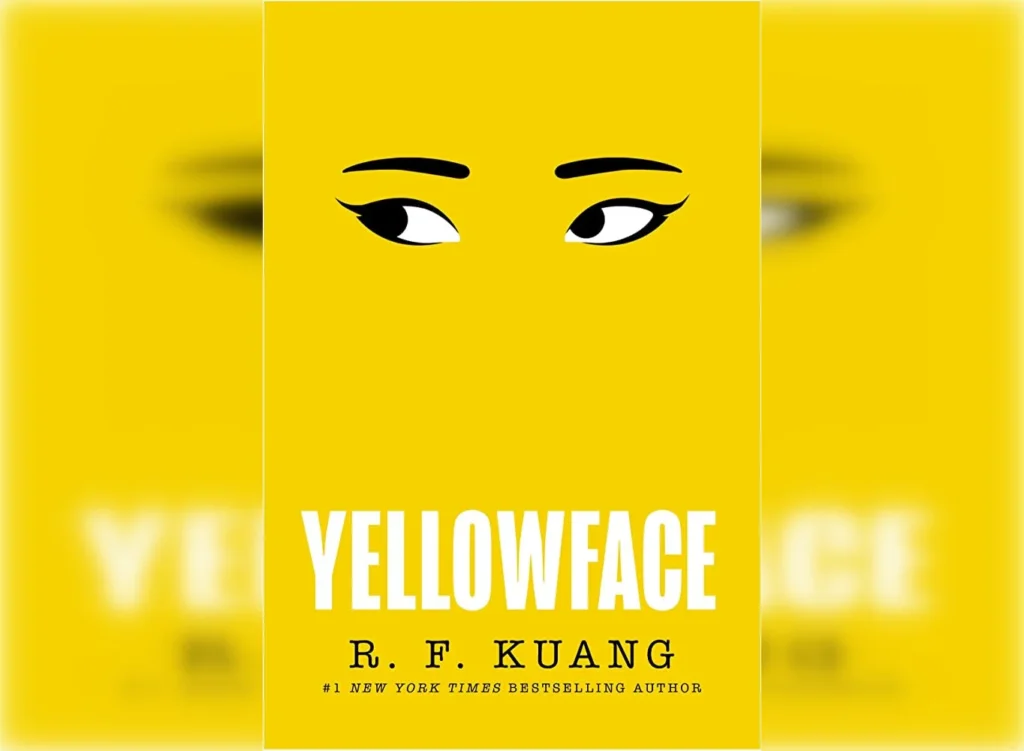
Image: Courtesy of HarperCollins
What stood out to me most wasn’t just the plot, it was watching June’s reasoning evolve. She doesn’t see herself as someone doing something wrong, and that’s what makes it so interesting. The book touches on identity, ambition, and the complicated question of whether it’s okay to wrong someone who may have wronged you first. Those themes felt layered and relevant in a way that added real depth beyond just the story itself.
The pacing is smooth and the chapters move quickly, which makes it an easy read despite how much it gives you to think about. It’s one of those books where you’re not necessarily rooting for the main character, but you are completely invested in her choices and what they say about people more broadly.
By the end I was left reflecting on ambition and ethics and how blurry that line can get when something feels personal. It’s entertaining, but it also lingers in a quiet way that I appreciated.
Who I’d recommend this to: If you enjoy character driven stories that make you think without feeling like work, this one is worth picking up. It’s also a great choice if you’re looking for something that moves quickly but still has substance. I’d go in without knowing too much, the less you know the better the experience.
A note on spoilers: This review is intentionally vague because I think the less you know going in the more you’ll enjoy it. Trust the process on this one.
You can find Yellowface on Amazon or support an independent bookstore through Bookshop.org.
Rating: ★★★★☆
This post contains affiliate links. If you purchase through my links I may earn a small commission at no extra cost to you